
So you want to start collecting cards. Maybe you have a favourite team, maybe you are drawn to the thrill of chasing a rare card, or maybe you are looking for a hobby that connects you to a community. Whatever your reason, card collecting is one of the most rewarding hobbies out there. It blends nostalgia, strategy, and discovery all into one.
If you are new, the sheer number of options can feel overwhelming. This guide will break down what you need to know and help you get started the right way.
1. Decide What You Want to Collect
The first step when you start collecting cards is choosing your focus.
- By sport or team: Many collectors build their collection around their favourite team or sport. Baseball cards remain one of the most popular starting points, but basketball, hockey, and football are just as strong.
- By player: You might want to collect rookie cards of players you admire or focus on one athlete’s career.
- By type: Some collectors look for limited edition inserts, autographs, or memorabilia cards, while others stick to base sets.
-
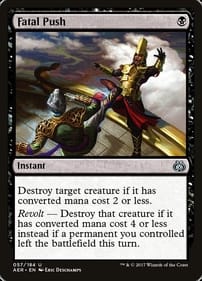
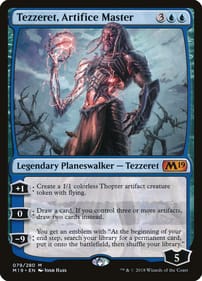
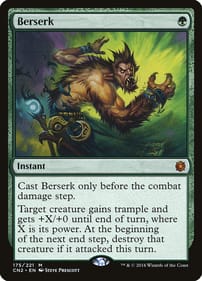
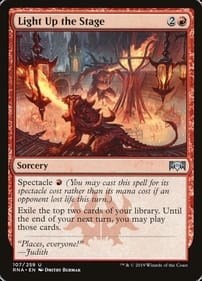
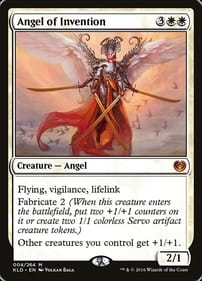
By genre: Not every collector is into sports card collecting. Trading cards like Pokémon, Magic: The Gathering, or Yu-Gi-Oh have huge communities and plenty of depth.
Picking a focus early helps you set goals and avoid spending on cards that do not fit your collection.
2. Set a Budget
Card collecting can be as affordable or as expensive as you make it. Before buying sports cards or trading cards, decide how much you want to spend each month. A budget of $50 to $100 is plenty to get started.
Factor in the extras. You will need card sleeves, top loaders, and storage boxes to protect your collection. Buying individual cards often makes more sense than chasing packs if you want something specific, but packs offer excitement and surprises.
A clear budget keeps you from overspending and lets you enjoy the hobby for the long term.
3. Learn the Basics of Card Value
Understanding why some cards are worth more than others is essential.
- Condition: High quality cards with sharp corners, clean surfaces, and no scratches are always more valuable.
- Grading: Third-party companies like PSA, Beckett, or CGC grade cards on a 1 to 10 scale. Graded cards are easier to sell or trade because buyers trust the condition.
- Rarity: A rare card might be numbered out of 99 or even 10. Limited edition cards or inserts are designed to be harder to find, which makes them more desirable.
-
Rookie cards: For sports teams, rookie cards are often the most valuable in the long run if a player becomes a star.
Spend some time looking at recent sales online to understand real market values before you buy.
4. Buy From Reliable Sources
There are many ways to start collecting cards, but not all of them are equal.
- Local card shops: Great for seeing cards in person and talking to experienced collectors.
- Card shows: These events are perfect for browsing a wide range of inventory and meeting the card collecting community.
- Online marketplaces: Sites like eBay, COMC, and major card forums make it easy to find specific cards, but check seller feedback and compare prices before buying.
- Social media and online forums: Reddit, Discord, and Facebook groups often have active trading and selling communities. Always use caution when dealing peer-to-peer.
Trusted sellers and shops reduce the risk of buying counterfeit or damaged cards.
5. Start Small With Individual Cards or Packs
When you are ready to start collecting, think about how you want to buy:
- Individual cards: The safest way to get exactly what you want. If you are after a rookie card or a card of your favourite team, this is usually the better route.
- Packs and boxes: Buying sealed packs or boxes gives you the excitement of not knowing what is inside. You might pull a limited edition insert, or you might get only base cards. It is fun, but also risky.
- Mix it up: Many new collectors combine the two approaches. They buy individual cards of players they want while still enjoying the thrill of opening a pack.
Focus on high quality over quantity. Ten cards you love in great condition are better than 100 you do not care about.
6. Protect and Store Your Collection
Cards only hold value if they stay in good condition. Protect them right from the start:
- Use card sleeves for every card.
- Place valuable individual cards in top loaders, which are rigid plastic cases.
- Store cards in binders with acid-free pages or in card storage boxes.
- Keep your collection in a cool, dry place away from sunlight and humidity.
- Handle cards by the edges to avoid fingerprints or oils.
Even if you are not planning to sell, protecting your collection ensures it stays enjoyable for years to come.

7. Join the Card Collecting Community
One of the best parts of this hobby is connecting with others.
- Attend local card shows to meet dealers and other collectors.
- Join online forums and social media groups to share your finds and learn from experienced collectors.
- Participate in trades. Learning how to sell or trade is part of the fun and lets you refresh your collection without spending more money.
- Follow news about your favourite team or players. Player performance can impact card values almost overnight.
The more involved you are in the community, the more opportunities you will find to grow your collection.
8. Think About the Long Term
Card collecting can be a lifelong hobby. Some collectors are in it for fun, while others treat it like an investment. Either way, a long-term mindset helps:
- Track your collection with a spreadsheet or app so you know what you have.
- Review your cards regularly to decide if you want to keep, sell, or trade them.
- Watch market trends, but do not panic sell if values dip temporarily.
- Be patient with rookie cards or limited editions. Some take years to appreciate in value.
The longer you collect, the more rewarding the journey becomes.
FAQs: Starting Card Collecting
Q: Do I need a lot of money to start collecting cards?
A: No. Many people begin with a few packs or singles for under $20. Focus on cards that matter to you rather than chasing expensive rare cards right away.
Q: What supplies do I need?
A: At minimum, card sleeves and top loaders for individual cards, plus a storage box or binder. These keep your collection safe from damage.
Q: Should I grade my cards?
A: Grading is best for high value cards or rare cards in great condition. It is not worth the cost for most common cards.
Q: How do I know if a card is valuable?
A: Check recent sold listings on eBay or card marketplaces. Condition, rarity, player popularity, and whether it is a rookie card all affect value.
Q: Where can I trade or sell cards safely?
A: Local game stores, card shops, shows, and established online marketplaces are safest. Always check a seller’s reputation before making a deal.
Q: What should I collect first?
A: Start with what excites you most. That might be cards of your favourite team, rookie cards, or trading cards from a game you enjoy.
Final Thoughts
The best collections are not built overnight. They are shaped card by card, trade by trade, and through years of enjoying the hobby. If you are thinking about starting, now is the perfect time. Build a collection that tells your story, and let it grow with you. Obsidian Games has everything you need to make that first step a great one.
Visit Obsidian Games for trading cards, supplies, and a community of collectors who share your passion. Stop by in person or browse online to find everything you need to build your collection.