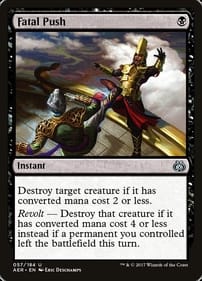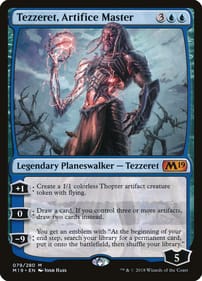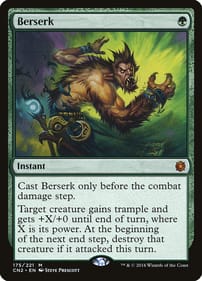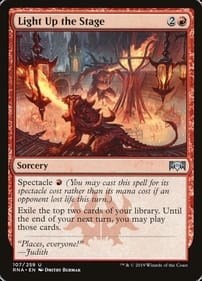

The trading card world has exploded over the last decade. Pokémon cards sell for thousands. Vintage Magic cards can pay for a car. Even modern pulls sometimes climb in value faster than people expect. Whenever money gets involved, something else shows up too: counterfeits. Fake trading cards are everywhere now, including online marketplaces, flea markets, and across social media listings. Sometimes they look obvious. Sometimes they’re surprisingly convincing. And here’s the uncomfortable truth. A lot of collectors don’t notice until it’s too late. If you collect trading cards, especially Pokémon cards or other popular games, learning how to identify fake cards is part of the hobby now. It’s not complicated, but it does require attention.
Start With the Feel of the Trading Card
Experienced players often say the same thing. You can feel a fake card before you even see it.
Authentic trading cards have a specific texture and thickness. Manufacturers use layered cardstock designed for durability and shuffle handling. Pokémon cards, for example, have a blue core layer sandwiched between printed surfaces.
Counterfeit cards often feel wrong. Sometimes they’re too glossy. Sometimes they feel thin or strangely stiff. Other times the surface feels overly smooth, almost like laminated paper.
That difference becomes obvious once you’ve handled real cards for a while. The human hand is surprisingly good at detecting subtle changes.
Check the Print Quality on a Trading Card
Printing technology for real trading cards is extremely precise. The colours are sharp, the lines are clean, and text is crisp. Fake trading cards struggle here.
Look closely at small details like mana symbols, energy symbols, or tiny text lines near the bottom of the card. On counterfeit cards, these elements often appear blurry or slightly smudged. Colour balance can also give things away. Real Pokémon cards have consistent saturation levels. Fake cards sometimes appear darker, faded, or oddly bright.
A good trick is simple comparison. Put the suspicious card beside a confirmed authentic card from the same set. The differences often jump out quickly.
Look at the Card Edges
What you notice along the edge of a trading card is another giveaway.
Real trading cards are cut using high-precision industrial blades. The edges are smooth and consistent. Corners are rounded evenly. Fake cards sometimes show tiny frays or uneven cuts along the edge. The corners might look slightly sharper or oddly shaped.
This happens because counterfeit operations rarely use the same machinery as official manufacturers.
It sounds like a small detail, but collectors notice it immediately.
Try the Old Light Test
Hold the card up to a bright light. Authentic cards allow a very small amount of light to pass through the layered cardstock. That blue core layer helps control the effect. Many counterfeit cards behave differently. Some let far too much light through because the paper is thinner. Others block light entirely because the layers are wrong.
The test isn’t perfect, but it’s a quick way to spot obvious fake cards.
Compare the Font and Text
Fonts on a trading card matter more than people realize and small differences can indicate a fake card.
Card games like Pokémon and Magic the Gathering use very specific typefaces. Counterfeit cards sometimes replicate them poorly. Letters may appear slightly wider or thinner. Spacing between words might feel off. Look closely at the attack descriptions, card name, and numbers. If the text looks crowded or uneven, that’s a warning sign.
This is especially helpful when spotting fake Pokémon cards, because the official layout rarely changes dramatically between print runs.

Packaging Can Also Reveal Fake Cards
Don’t think that a sealed trading card pack automatically makes them authentic. Many counterfeit cards are sold in sealed packs.
To this extent, look at the packaging quality. Official packs have tight seals and consistent branding. The artwork is sharp and colours match known products. Fake packs often feel loose or flimsy. The plastic might wrinkle easily. Logos may appear slightly distorted.
And if the price feels too good to be true, it probably is.
Why Counterfeit Cards in Trading Card Communities are Increasing
The rise of fake trading cards in the general buy-and-sell marketing is directly tied to the growth of the hobby.
Trading cards have become a serious collectible market. In the post-pandemic era we currently live and breathe, card sales skyrocketed. There are rare Pokémon cards that have sold for hundreds of thousands of dollars at auction. That kind of value on an asset and the attention that follows, sadly, attracts counterfeiters.
Add to that how online marketplaces make distribution of counterfeit goods easier than ever before. Sellers can move fake cards quickly, sometimes before buyers realise what they received.
That doesn’t mean collectors should panic. It just means awareness matters.
What To Do If You Find a Fake Trading Card in Your Collection or Being Sold
If you suspect you have a counterfeit card in front of you either from your own collection or you’ve identified it somewhere in circulation, avoid trading or selling it.
First, compare it with verified authentic cards in-person or online. Many trading card collectors sometimes post high-resolution photos on reddit and in hobby forums for second opinions. There are many experienced players who can often identify fake cards within seconds.
If the trading card in question came from an online purchase, contact the seller and marketplace. Many platforms offer buyer protection for counterfeit items.
Most importantly, don’t feel embarrassed. Even experienced collectors get fooled occasionally.
Purchase Authentic Trading Cards for Your Favourite Games from Sources You Trust
Trying to spot fake trading cards is always going to be part-science, part-experience. The more cards you handle and test before your very own eyes, the easier it becomes over time to recognize common signs of counterfeits.
Unfortunately, the skills to identify fake trading cards are worth having, especially if you are purchasing on the secondary market where the risk is always there.
No matter the game, trading cards are meant to be collected, played, and treasured. Nobody wants to discover their prized pull is a clever fake.
Looking for authentic trading cards and trusted products for your collection? Contact us and visit Obsidian Games to explore genuine cards, accessories, and the latest trading card releases for players and collectors.