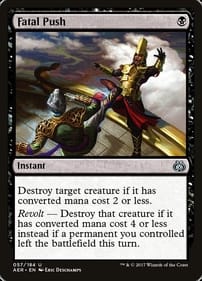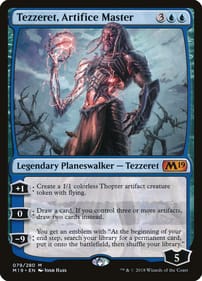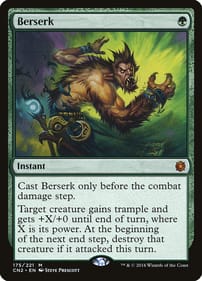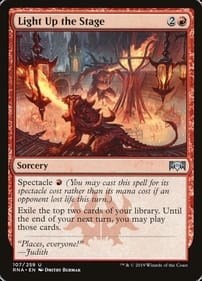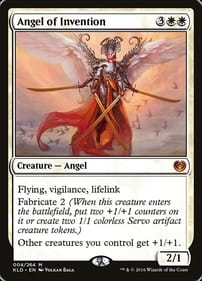

When you start card collecting, it may seem fairly straightforward. You buy a pack of cards, open it and bank what you have. At best, maybe you’re chasing that one rare card everyone talks about as a fun exercise. But over time, it becomes more for a lot of people. Suddenly, you’re comparing print runs, arguing about condition grades, and reorganizing cards at midnight because something feels “off.” The good news? You don’t need to overthink it at the beginning. If you want to build a trading card collection that actually holds value, here’s where to start.
Step 1: Decide What Kind of Collector You Are
Not all collectors want the same thing, so define what kind of card collector you want to be. If you don’t figure this out early, you’ll waste money chasing the wrong cards.
There are a few common paths:
-
Player-collector: You want cards you can actually use in games
-
Set collector: You aim to complete full sets from specific releases
-
Value hunter: You focus on rare or high-demand cards
-
Casual collector: You grab what looks cool and enjoy the process
There is no wrong answer here. But trying to do all four at once gets expensive quickly. Some people chase competitive decks and full sets at the same time, and they tend to be the ones who end up with incomplete binders and regret purchases.
Step 2: Choose a Game to Base Your Collection Around (or Don’t)
Most people start with a specific game when buying trading cards. Pokémon cards. Magic the Gathering. Yu-Gi-Oh!. Flesh and Blood has been growing too.
Each has its own ecosystem, with its own player base and trading card price patterns. Pokémon cards lean heavily into collecting and banking on feelings of nostalgia. Meanwhile, Magic blends gameplay depth with long-term value. Then there’s Yu-Gi-Oh! Which moves fast and rewards competitive play. Needless to say, you don’t have to lock yourself into one game forever but focusing on one to start can help get your collection going.
If you spread yourself too thin, you won’t understand what makes cards valuable in any of them.
Step 3: Understand What A Rare Card Is (This Matters More Than You Think)
Not all cards are equal, and new collectors often underestimate how big the gap is.
Every card set has a rarity structure. They will have their commons, uncommons, rares, and then the premium tiers, with its ultra rares, secret rares, alternate arts, and foil treatments.
Those premium cards are what drive value, but here’s the catch there. Not every rare card will have value. Some are just rare and forgettable. How value is calculated comes from a mix of rarity, demand, and playability. A card that sees competitive use can hold value even if it isn’t the rarest thing in the set. On the flip side, a flashy card with no gameplay relevance might drop in price quickly after release hype fades.
If you’re collecting trading cards for value, pay attention to how cards are actually used.
Step 4: Buying and Collecting Cards By Packs vs Singles
You will hear this argument constantly. “Just buy singles.” “Opening packs is more fun.” Both are true.
Buying packs gives you the experience, in reference to the surprise, the moment when you pull something big, and that feeling is real, and it’s part of why card collecting exists at all.
But statistically? Packs are not efficient. If you’re chasing specific cards, buying singles saves money. Almost always.
The approach most experienced collectors settle into is to buy some trading card packs for fun, but target purchasing singles for anything you specifically want. That way, you get the excitement of being a consumer without draining your budget chasing any one specific card.

Step 5: Protect Your Trading Cards Early
A failure to protect one’s trading cards from damage is where so many beginners slip up. They wait too long to invest in card protection.
Get yourself high-quality sleeves and a binder, or maybe a deck box if you play. The condition of your cards matters. A lot. Even wear on an edge can reduce a card’s value significantly. And it’s not purely about resale value. Your cards will look better when they’re clean, flat, and well stored.
Protect your cards from the start. Not later.
Step 6: Learn the Trading Card Market (Without Getting Obsessed)
Here’s where things can get weird. Some collectors treat cards like stocks, i.e. watching prices daily, flipping cards for profit, and monitoring timing releases.
You don’t need to go that far, but you should understand basic trends.
New sets tend to spike early, and then prices settle slowly over time. Competitive cards hold better, yes, but personal favourites can rise slowly over time. It’s best to pay attention to what people are actually playing. That often tells you more than hype videos or social posts. If a card shows up in winning decks consistently, it has staying power.
Step 7: Trade Smart and Ask Questions or Research If You Are Not Sure
Trading is one of the best parts of card collecting. It’s social, interactive, and builds community, but it’s also where people make bad deals.
New card collectors sometimes overvalue what they have, or they undervalue older cards because they don’t have the underlying knowledge. Take your time when considering a card purchase. Compare values and ask questions. Most experienced trading card collectors are happy to help if you’re honest. Remember that a good trade should be as fair as fair can be on both sides.
Here Are The Mistakes Most Beginners Make When Collecting Trading Cards
You can avoid a lot of frustration by sidestepping these early mistakes:
-
Buying too many random packs without a plan
-
Ignoring card condition until it’s too late
-
Chasing hype cards right after release
-
Storing cards loosely in boxes or drawers
-
Jumping between too many games at once
One or two mistakes are not going to permanently ruin your collection. But they might slow you down. Fortunately, they’re all easy to fix once you know what to watch for.
Why Card Collecting is Worth Investing Time and Money Into for Those With A Passion
There’s something about trading cards that doesn’t fade. Maybe it’s the mix of luck and strategy. Maybe it’s the artwork. For some, it’s the nostalgia. Or maybe it’s just the feeling of opening a pack and not knowing what’s inside. Whatever the reason, people stick with it for years and decades even. Because every card has a story. Where you got it. What you traded for it. The game you played with it. That’s what makes this hobby different from most others.
Starting a card collection doesn’t require a ton of money to sink into purchases or a deep knowledge of trading cards. You just have to decide your direction. Pick a game, decide what you enjoy, and protect your cards. Any beginner can learn as they go. You also don’t need to chase the most expensive cards to build something meaningful. Some of the best collections aren’t built on value. They’re built on consistency and personal taste.
Always start with a trading card at a time, make smart moves in building your card collection, and stay curious. Looking to start your card collection with a purchase or two? Contact us at Obsidian Games or visit our website to explore packs, singles, and everything you need to build your collection the right way.